
Collisions with Commercial Vehicles
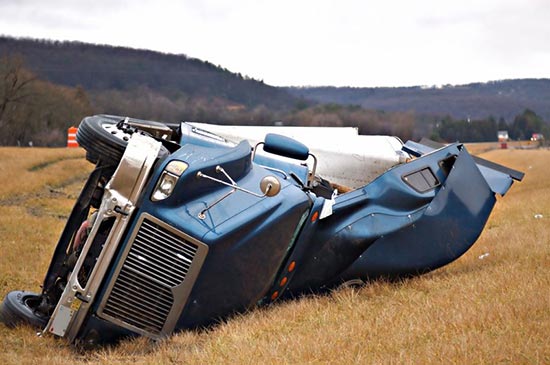
What to Do After a Commercial Vehicle Collision
Source: DeVaughn James Injury Lawyers
Jurisdiction: Kansas, USA
Topic: Personal Injury & Commercial Vehicle Accidents
Overview & Severity
A collision involving a commercial vehicle and a passenger car often ends catastrophically. At an average weight of just 5,000 lbs., a passenger car could face up to 80,000 lbs. when hit by a semi-truck.
Though collisions involving a commercial vehicle and passenger car account for just 3% of the total number of vehicle collisions in the country, nearly 70% of fatalities are attributed to on-road collisions involving large vehicles. Additionally, in almost 80% of such collisions, the driver of the smaller vehicle will suffer life-threatening or debilitating injuries and significant property damage.
Introduction to Steps
If you become the unfortunate victim of a commercial vehicle collision, knowing what to do next can protect both your health and your legal rights. Follow these steps to protect yourself and your claim.
Step 1: Seek Medical Help for Yourself and Others
First, tend to your injuries. Call for medical help immediately if you or anyone involved in the collision is injured. Your health and well-being must be your first focus.
Step 2: Call the Police
If you have not already called 911 for medical assistance, contact the local police. File an official report of the collision and get a copy of the document. An official police report is treated as an unbiased account by a third party and it can support your case during negotiations or in court.
Step 3: Gather Information and Evidence
Collect as much information as possible from everyone involved in the collision. Obtain names, contact information, and the trucking company’s details.
Take photos of the scene before vehicles are moved — document damage, skid marks, barriers, and road or weather conditions. Talk to witnesses and note their statements and contact information. Record the name and badge number of the responding officer.
Step 4: Seek Further Medical Evaluation
Some injuries are not immediately apparent. Internal trauma, soft tissue injuries, and nerve damage may not cause severe pain at first but can become serious later. Failing to get prompt care can delay recovery and weaken your case, as insurance companies may argue that your injuries were not significant or related to the crash.
Step 5: File Your Insurance Claim
Contact your own insurance company to file a claim and obtain claim numbers for your personal injury protection (PIP) and property damage. Provide accurate facts about the collision, injuries, and damages — but do not discuss fault or sign any releases without consulting an attorney.
Step 6: Be Cautious When Communicating with Insurance Companies
Within days of the crash, you may receive a call from an insurance investigator or adjuster representing the other driver. Be careful. Their questions may be designed to elicit statements that can harm your case. Avoid giving recorded statements or granting access to your medical records without legal advice.
If offered a quick settlement, don’t accept immediately — speak with an attorney first.
Step 7: Call the Experienced Attorneys at DeVaughn James
Whether dealing with your insurer or a trucking company’s insurer, the process can be complicated. Even with obvious injuries, insurance companies often aim to minimize your compensation.
At DeVaughn James Injury Lawyers, our attorneys handle every aspect of your case and pursue maximum compensation. We have successfully handled numerous commercial vehicle accident cases and provide the convenience and customer service you deserve.